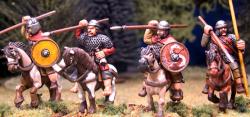
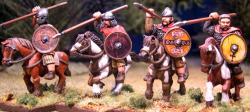
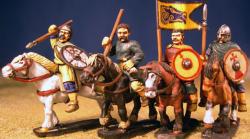
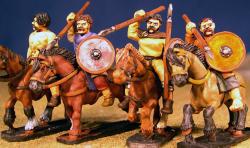
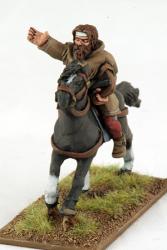
Welsh

The British and Welsh kingdoms were the Brittonic realms that emerged in western and northern Britain after the withdrawal of Roman rule. Over time, these kingdoms developed across different regions and periods, but shared a common cultural and linguistic heritage rooted in the Brittonic peoples of the island.

In the earlier post-Roman period, groups such as the Cymry, Alt Clut, and Manaw Gododdin formed local kingdoms that defended their territories amid the breakdown of central authority and increasing pressure from neighbouring peoples. In the later early medieval era, the Welsh kingdoms and Strathclyde continued this tradition, maintaining their identity while facing external threats and regional conflict.

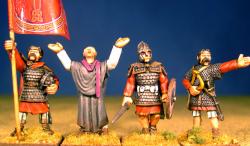
These kingdoms were organised around a ruling warlord and his household, supported by nobles, warriors, and levies drawn from local communities. Warfare was tied to kinship, loyalty, and local power, with armies reflecting the structure of the society that raised them rather than a single unified state.

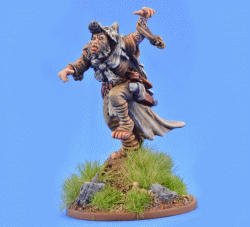
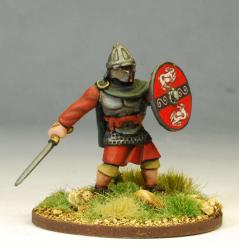
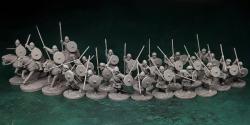
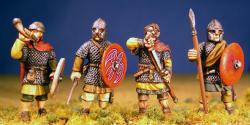
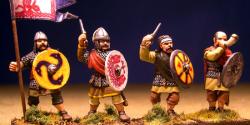
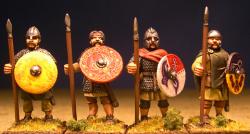
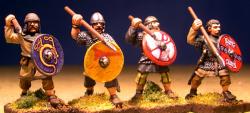
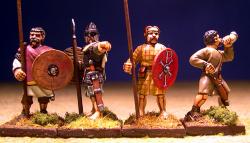
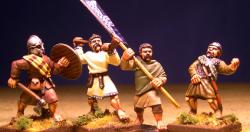
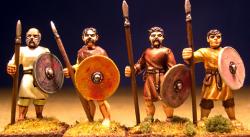
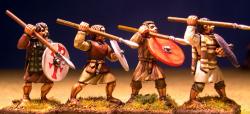
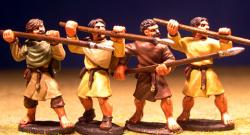
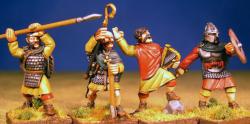
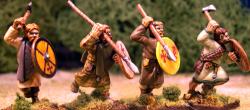
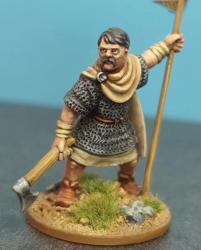
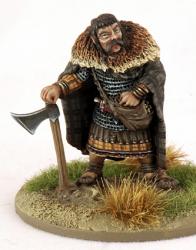
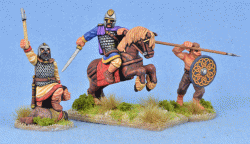
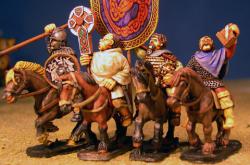
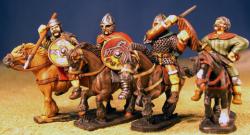
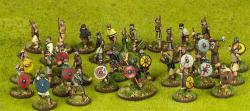
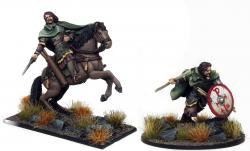
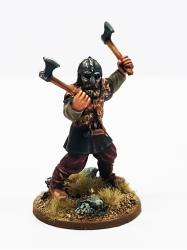
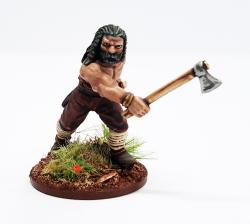
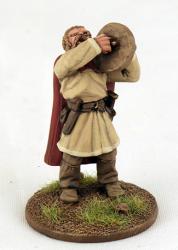
Warbands were practical in their equipment rather than uniform. Teulu formed the elite household retinue and acted as the Hearthguard, often the best equipped, carrying swords, daggers, javelins, and shields, with some able to afford mail armour. The main body consisted of Combrogi (Cymbrogi), the free Warriors of the community, typically armed with spears or javelins, a shield, and simple side arms. Levies were drawn from hunters, youths, and less experienced members of the population, usually equipped with bows or javelins and used as skirmishers to harass the enemy and support the main force.

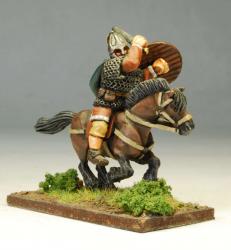
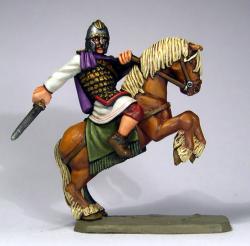
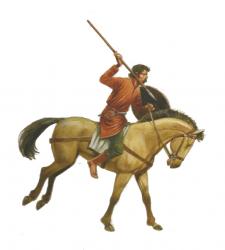
Horses were used where available, often sturdy local breeds, mainly by leaders and select warriors. Overall, these forces represent flexible, kin-based warbands shaped by local resources, regional identity, and the demands of frequent conflict


Return to: All Categories or All Products