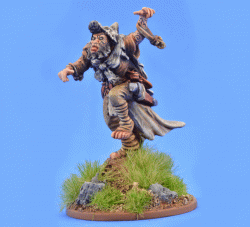
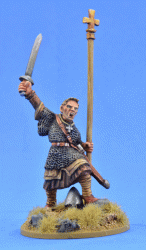
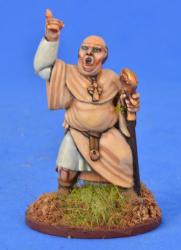
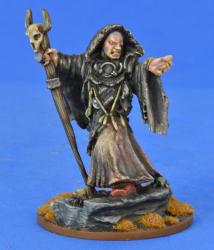
Irish
Ireland was peacefully Christianised from the fifth century by Saint Patrick, but remained politically divided into numerous rival kingdoms. Power was held by dynasties such as the Ui Neill, Cenel Conaill and Cenel nEogain, within a clan-based society that produced constant rivalry, shifting alliances and frequent warfare.
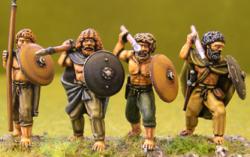
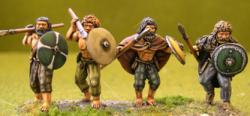
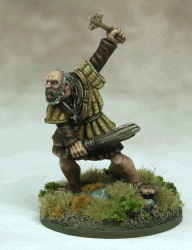
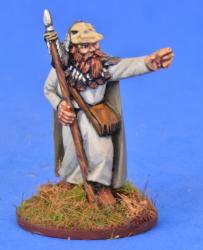
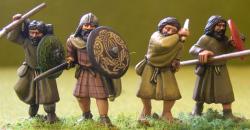
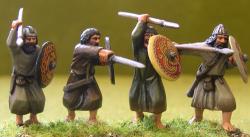
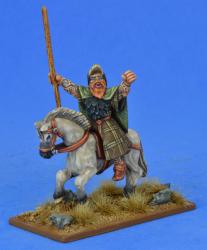
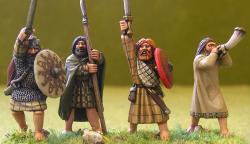
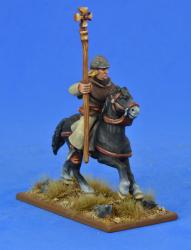
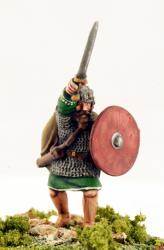
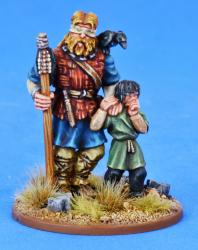
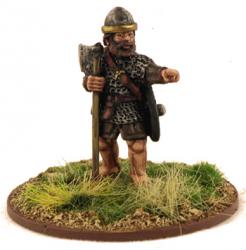
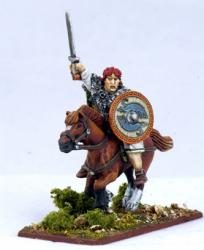
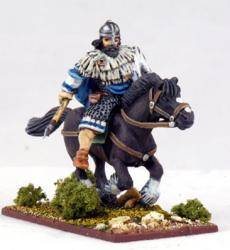
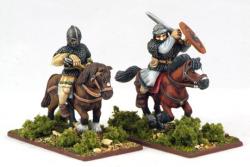
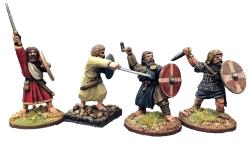
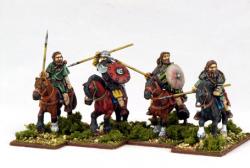
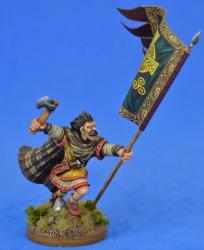
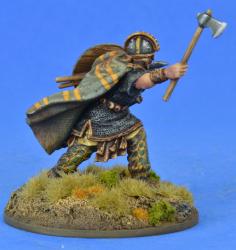
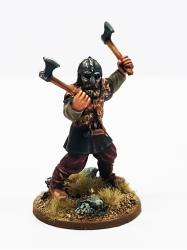
Irish armies were raised on a tribal basis, where free and unfree families were bound together under a noble warlord, often a king, who could call upon his dependants to form a warband. Within this structure, the Curaidh were lesser nobles whose martial reputation earned them a respected place near the centre of the army, often acting as champions. Hearthguards were other noblemen who answered their king’s call, sometimes including foreign mercenaries, and while the Irish did not traditionally produce armour, they sometimes used equipment obtained through trade, including Viking armour. These troops were typically armed with short swords, javelins and small round shields, with helmets being rare and weapons such as the Dane-axe occasionally appearing. Their colourful clothing reflected their status.
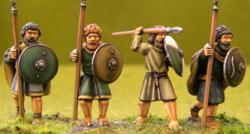
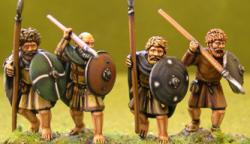
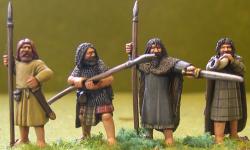
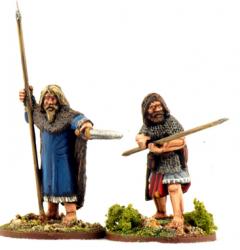
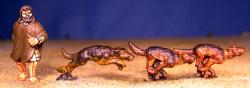
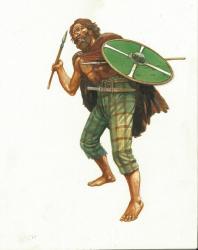
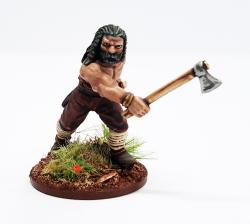
Below the nobility were the Warriors, forming the bulk of the fighting force from the lower classes. They owed loyalty to their lord, fought barefoot, and carried a short sword, javelins and a buckler. Their dress was generally in natural tones such as white, grey and black, with yellow sometimes permitted. Levies made up the least experienced fighters, often young or reluctantly called up, and some were equipped with slings used in their role as herdsmen. Irish wolfhounds, originally bred for hunting, were also occasionally used in battle.
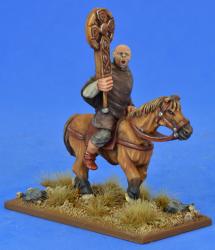
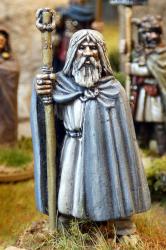
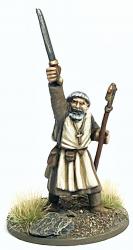
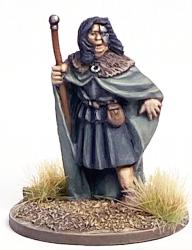
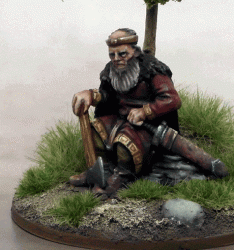
These figures can represent Irish forces across different historical contexts. They are well suited to later-period conflicts involving raids, settlement and warfare during the Viking Age, as well as earlier “Scotti” warbands operating in Ireland and across Britain. At the same time, the same troops can also be used to depict earlier post-Roman Irish forces in the Arthurian period, as the underlying tribal organisation, equipment and social structure remained broadly consistent across these eras.
Figures in this range are suitable for The Irish (SAGA: Age of Vikings). The Scotti (SAGA: Age of Invasions) |
| Notes for SAGA: 4 hearthguard figures = 1 point, 8 warrior figures = 1 point, 12 levy figures = 1 point |
Return to: All Categories or All Products